Six heritage landmarks.
One destination.
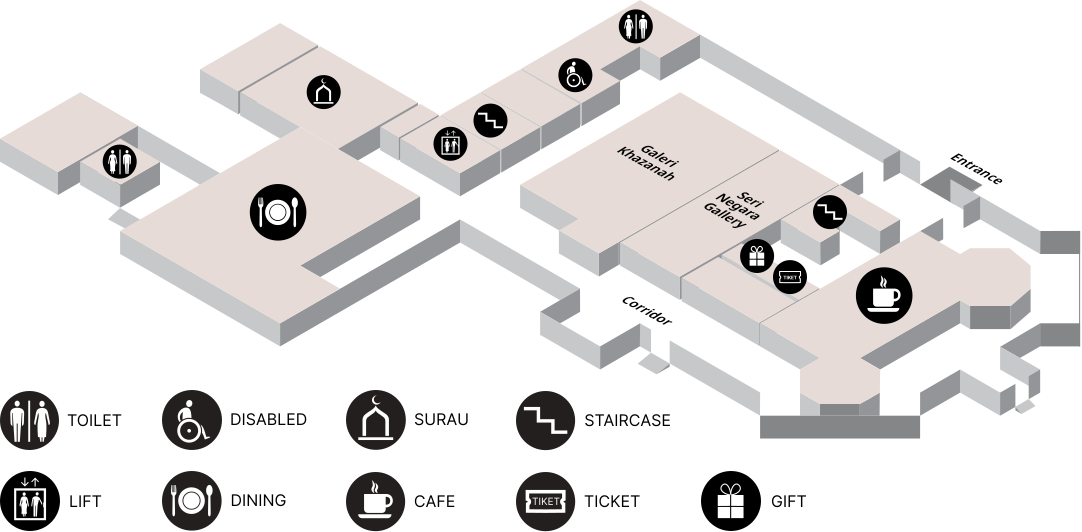
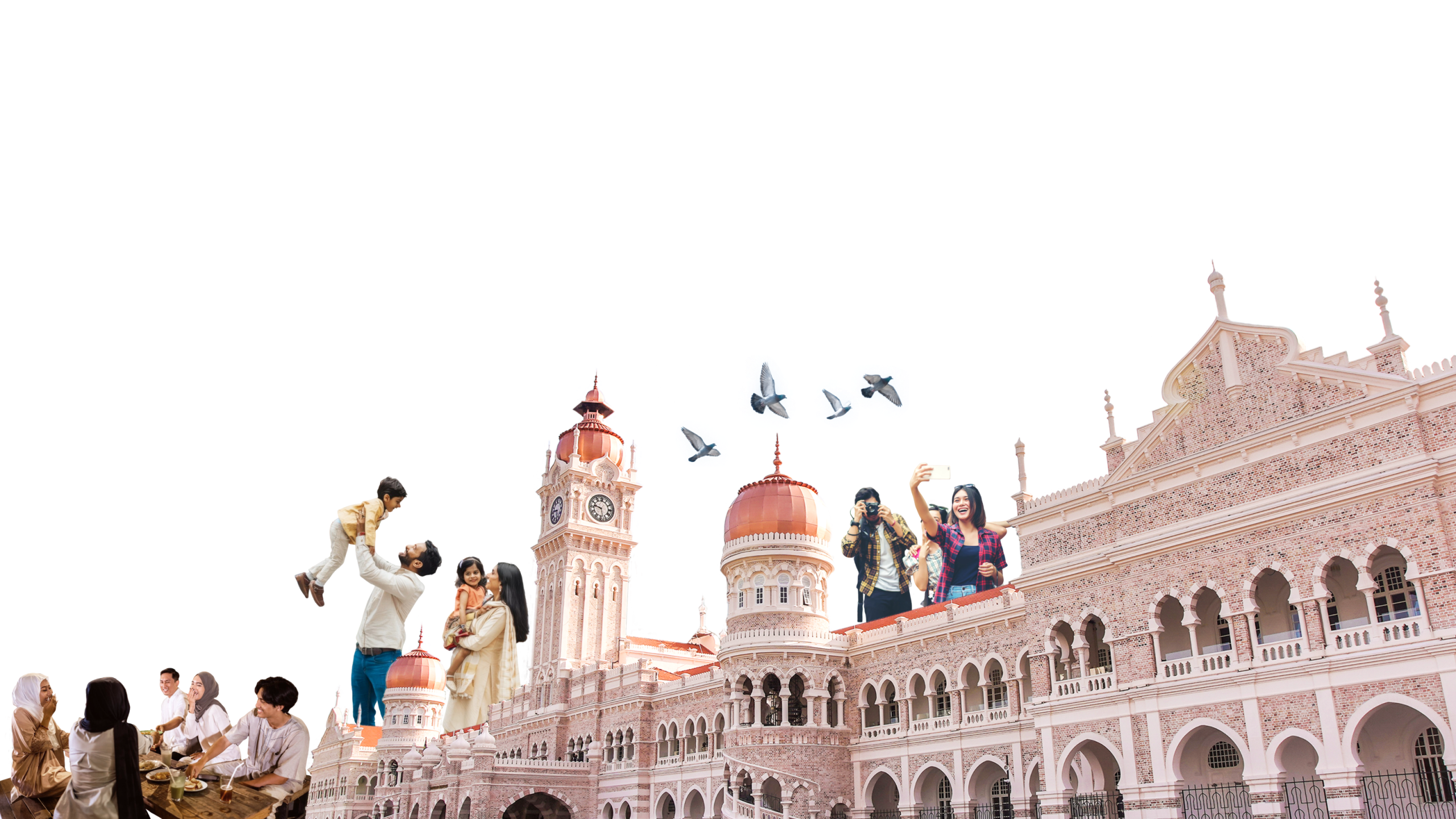
Bangunan Sultan Abdul Samad anchors a complex of six conserved buildings at the heart of Kuala Lumpur. Galleries, a heritage food trail, and event venues sit within a few steps of each other, all open to explore.
Entry to the grounds and buildings is free for everyone.
GALLERIES ADMISSION AT A GLANCE
Royal Selangor Gallery: Free admission for all visitors.
Kuala Lumpur City Gallery: Free admission for
Malaysians. Tickets can be obtained at the Visitor Centre.
Six heritage landmarks.
One destination.
Bangunan Sultan Abdul Samad anchors a complex of six conserved buildings at the heart of Kuala Lumpur. Galleries, a heritage food trail, and event venues sit within a few steps of each other, all open to explore.
Entry to the grounds and buildings is free for everyone.
GALLERIES ADMISSION AT A GLANCE
Royal Selangor Gallery: Free admission for all visitors.
Kuala Lumpur City Gallery: Free admission for
Malaysians. Tickets can be obtained at the Visitor Centre.


- Open everyday
- 8:00 AM to 10:00 PM
-
Jln Raja, Kuala Lumpur City Centre,
50050 Kuala Lumpur,
Federal Territory of Kuala Lumpur - enquiries@bsas.com.my
Step inside the story
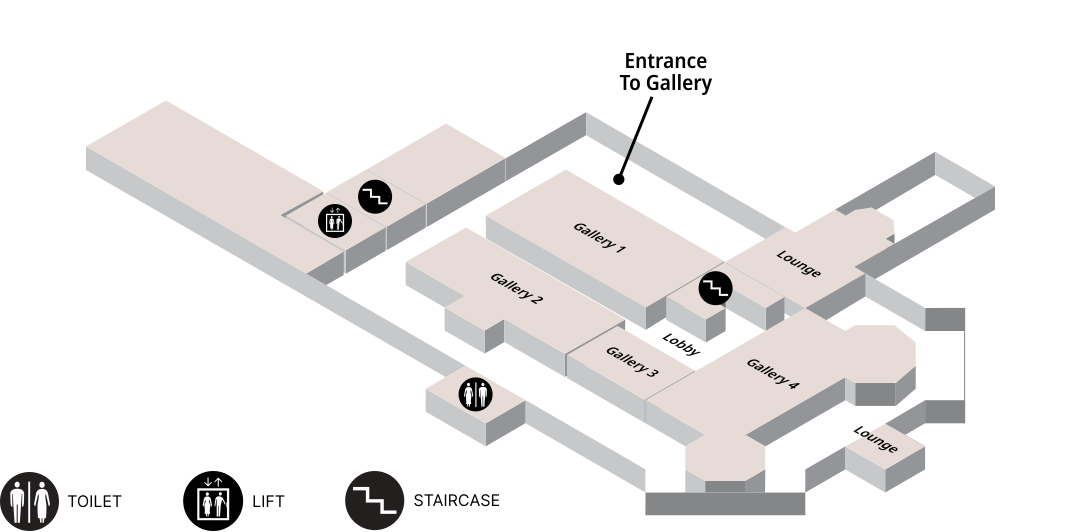
Beyond the architecture and the clock tower, BSAS is home to two galleries that bring Kuala Lumpur’s craft and civic history to life.

Royal Selangor Gallery
Discover Kuala Lumpur’s pewter-making heritage through exhibitions, hands-on workshops, and public art, where long-standing craft meets contemporary design.
Open daily · Free for all visitors, no ticket required

Kuala Lumpur City Gallery
Trace the city’s journey from the 1820s to today across immersive halls, including the Confluence Hall, Visionary Hall, Hikayat Chamber and Harmony Hall.
Complimentary Visits for STR SARA Bulanan Recipients
As part of Khazanah Nasional Berhad’s commitment to promoting inclusive access to heritage sites under its stewardship, verified recipients of Sumbangan Tunai Rahmah (STR) who also receive SARA Bulanan, together with their registered household members, are entitled to one complimentary admission per calendar year to KL City Gallery and Seri Negara: Charting the Course of Merdeka at Seri Negara.
Who is Eligible
- Active recipients of Sumbangan Tunai Rahmah (STR) who also receive Sumbangan Asas Rahmah (SARA) Bulanan.
- Registered household members of the recipient.
One complimentary admission per calendar year per person.
Household members must visit together with the primary recipient.

B S A S
Where six heritage landmarks come together
as one destination.
Complimentary entry for Malaysians.
B S A S
Where six heritage landmarks come together
as one destination.
Complimentary entry for Malaysians.
- Open everyday
- 8:00 AM to 10:00 PM
-
Jln Raja, Kuala Lumpur City Centre,
50050 Kuala Lumpur,
Federal Territory of Kuala Lumpur - enquiries@bsas.com.my








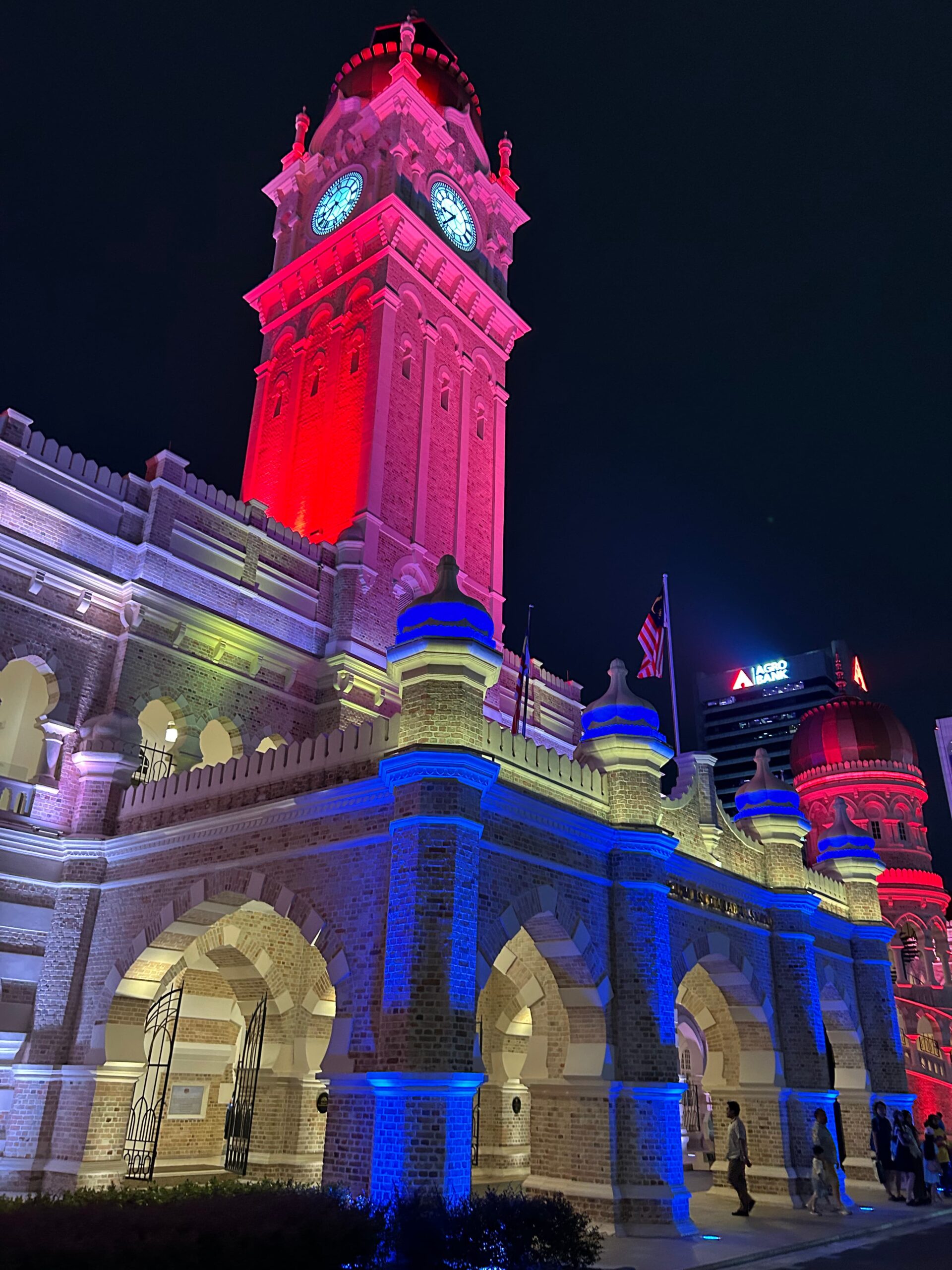
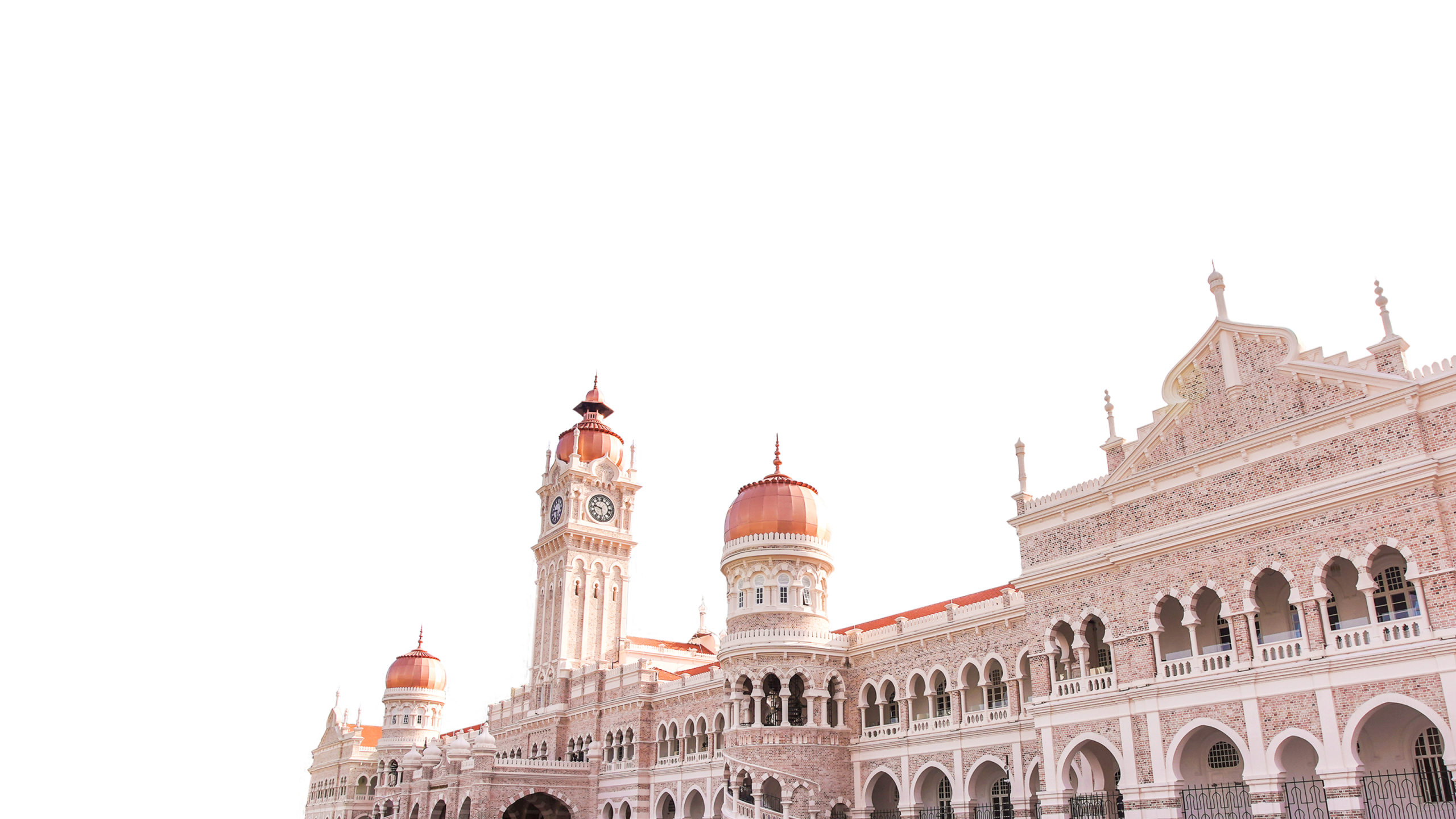
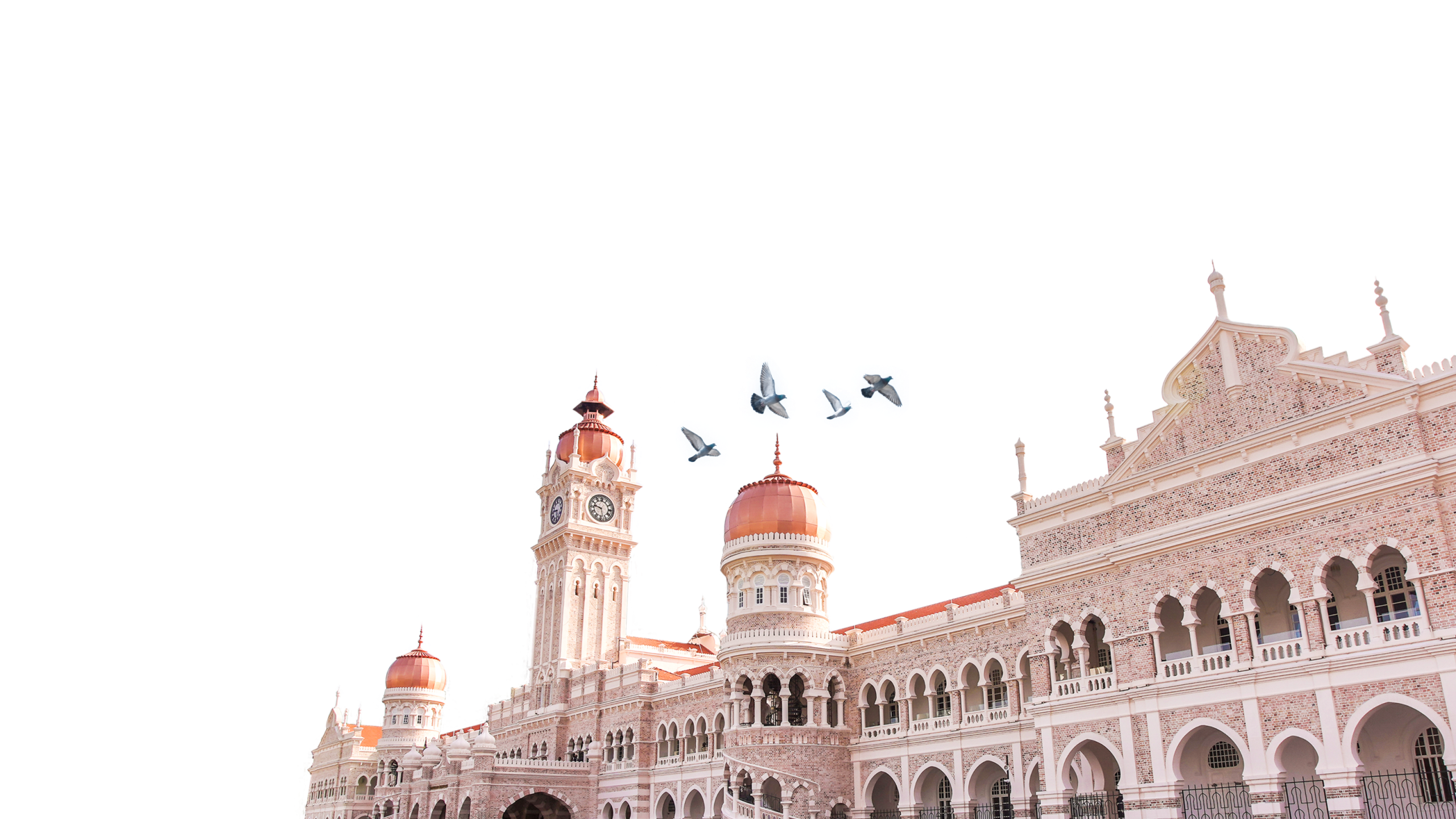
Bangunan Sultan Abdul Samad
The story of Bangunan Sultan Abdul Samad began in a period of profound administrative transformation in Selangor. In 1877, Sultan Sir Abdul Samad established the State Council, marking the introduction of British-style colonial administration under the guidance of the Selangor British Resident, Captain Bloomfield Douglas (1876–1882).
By March 1880, the state administrative centre was relocated from Klang to Kuala Lumpur, consolidating British administrative control and diminishing the authority of Malay chieftains. Tunku Dhiauddin ibni Sultan Zainal Rashid I (Tunku Kudin) stepped down as Yang Di Pertua, succeeded by Raja Muda Musa, before Sultan Sir Abdul Samad himself assumed the role following Raja Muda Musa’s demise in 1884.
This era culminated in the formation of the Federated Malay States in 1896. A year later, in 1897, Bangunan Sultan Abdul Samad was completed as the seat of colonial administration, then known simply as the New Government Offices. Nine departments relocated from the former offices at Bluff Hill (now Bukit Aman): the Government Secretary’s Office (Secretariat), Federal Offices, Treasury, Audit, Land, Survey, Mines, Public Works (State and District), and the General Post Office.
Designed by the Selangor Public Works Department team comprising A.C. Norman, R.A.J. Bidwell and A.B. Hubback, the building stands as a distinctive interpretation of British Raj architecture, combining Mughal, Moorish and Gothic influences. This architectural language was intentionally conceived to resonate with the Muslim Ruler of Selangor while projecting imperial authority and prestige.
The building later bore witness to defining moments in Malaysia’s history — most notably the lowering of the Union Jack and the raising of the flag of the Federation of Malaya on the eve of 31 August 1957, marking the dawn of independence.
Following independence, the building continued to serve as a centre of governance, housing the Selangor State Secretariat, State Council and Treasury, as well as the office of the Selangor Menteri Besar.
In 1974, a pivotal moment in the nation’s history unfolded when Sultan Salahuddin Abdul Aziz Shah Alhaj consented to the cession of Kuala Lumpur to be established as the Federal Territory — a gesture widely regarded as a profound act of statesmanship and sacrifice in the national interest. Thereafter, the building came under the administration of the Federal Government and was officially renamed from “The Secretariat” to what it is known as today: Bangunan Sultan Abdul Samad.
From 1978, the building housed the nation’s superior courts, including the Federal Court (formerly Supreme Court) and the High Court — further cementing its role at the heart of Malaysia’s constitutional and judicial history. The Federal Court relocated to Putrajaya in 2003, while the High Court moved to the Kuala Lumpur Courts Complex in Jalan Duta in 2007.
The Ministry of Unity, Culture, Arts and Heritage later occupied the building, followed by the Ministry of Communications and Multimedia and the Ministry of Tourism and Culture.
The walls of Bangunan Sultan Abdul Samad have witnessed empire and independence, ceremony and public service. Today, its restoration stands complete — undertaken by Khazanah Nasional Berhad through Dana Warisan as part of Budget 2023: Building Malaysia MADANI and the Warisan KL initiative. This national landmark now reopens as a space for all, celebrating and showcasing the history and heritage of Kuala Lumpur.

Bangunan Pejabat Pos Besar Lama

Bangunan Mahkamah Tinggi Lama

Bangunan Panggung Bandaraya

Bangunan Pejabat Ukur FMS Lama

Muzium Tekstil Negara

More Than a Cultural Destination
The Bangunan Sultan Abdul Samad Complex at Dataran Merdeka is reimagined as a living cultural hub for communities, exhibitions, events, and dining.

What’s Happening
Experience living heritage at Bangunan Sultan Abdul Samad through exhibitions, talks, performances, and curated public programmes.
Getting Here
Located in Kuala Lumpur’s historic civic district, Bangunan Sultan Abdul Samad fronts Dataran Merdeka and is easily accessible by public transport, ride-hailing services, and private vehicles.